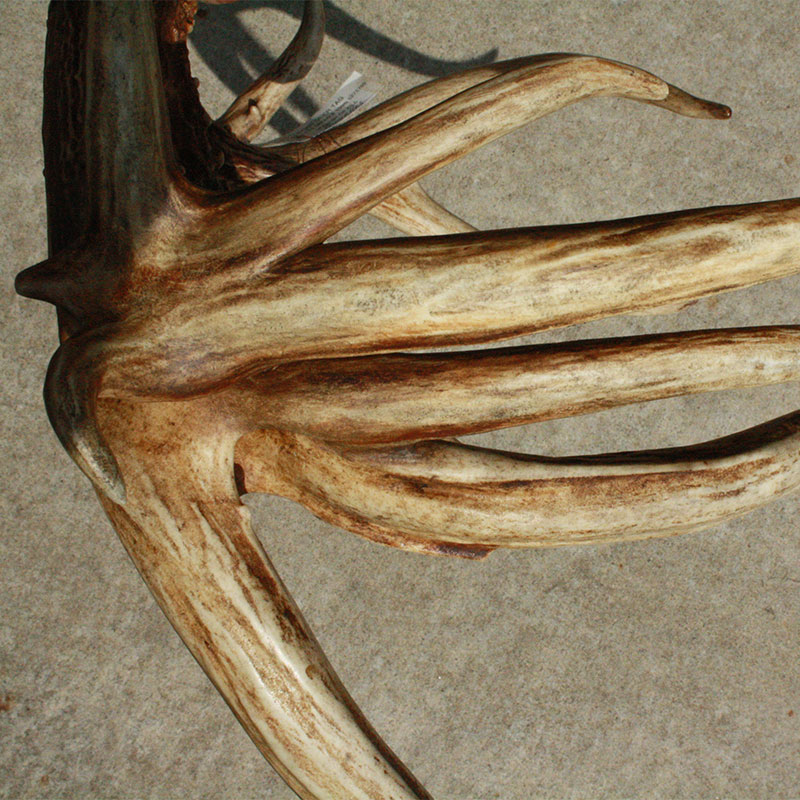
Broken tines, cracked beams, burr damage, chew marks, and weathered antlers do not always mean a trophy is lost. Antlers by Klaus provides professional antler repair and restoration for hunters, collectors, taxidermists, and museums that need pieces restored to a natural, lifelike finish.
Antler repair rebuilds damaged or missing structure and details on a rack. This may include snapped tines, missing tips, cracked beams, broken burrs, skull-cap issues, chewed areas, or damage from shipping, handling, environmental exposure,or accidents.
A proper repair is not just cosmetic. It must be strong enough to hold up over time, be shaped correctly, and expertly finished so the repaired area blends with the original antler.
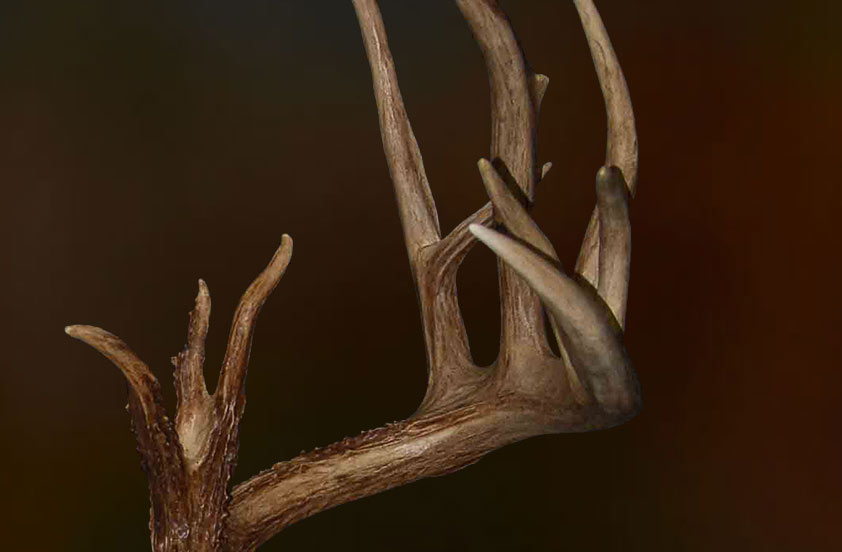
Many common antler problems can be repaired or improved, depending on the condition of the rack.
Not every rack can be saved if the damage is extreme, but photos are usually enough for an initial review. If your original piece is beyond repair, not all hope is lost. We can use it to create a duplicate set via our custom antler reproduction or antler recreation services.
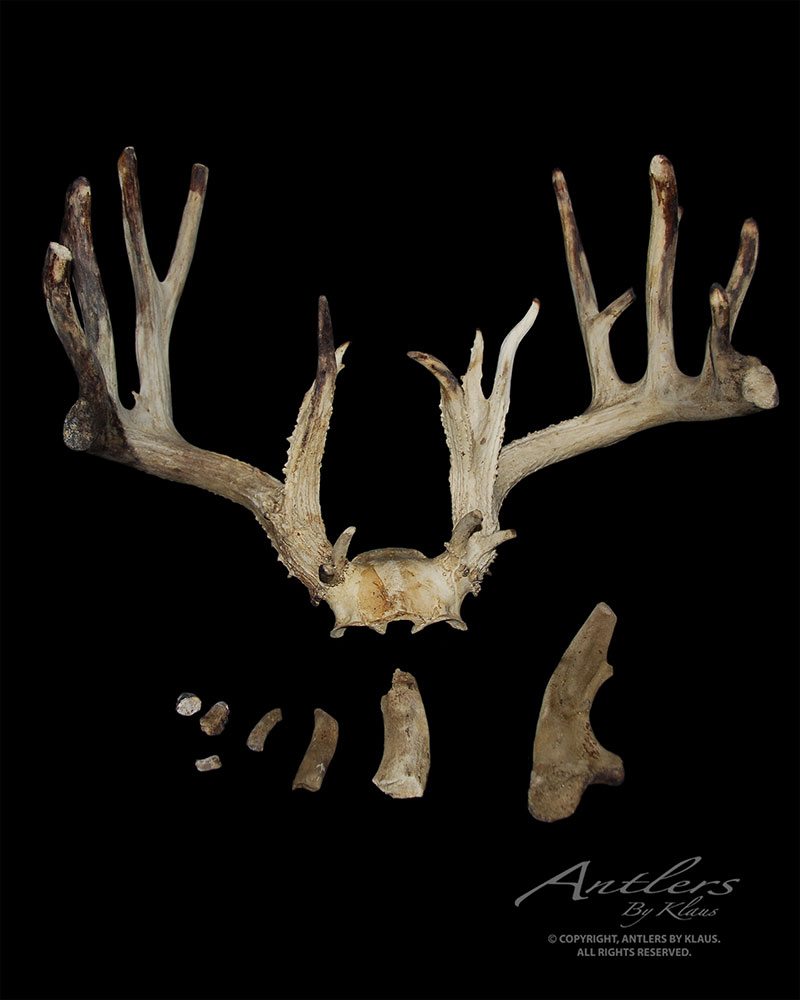
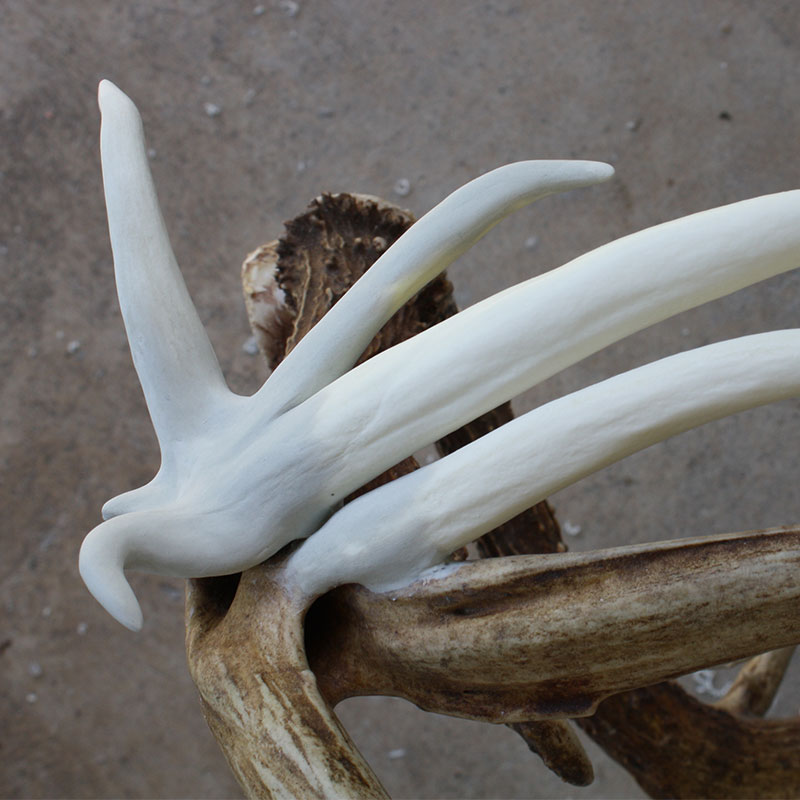
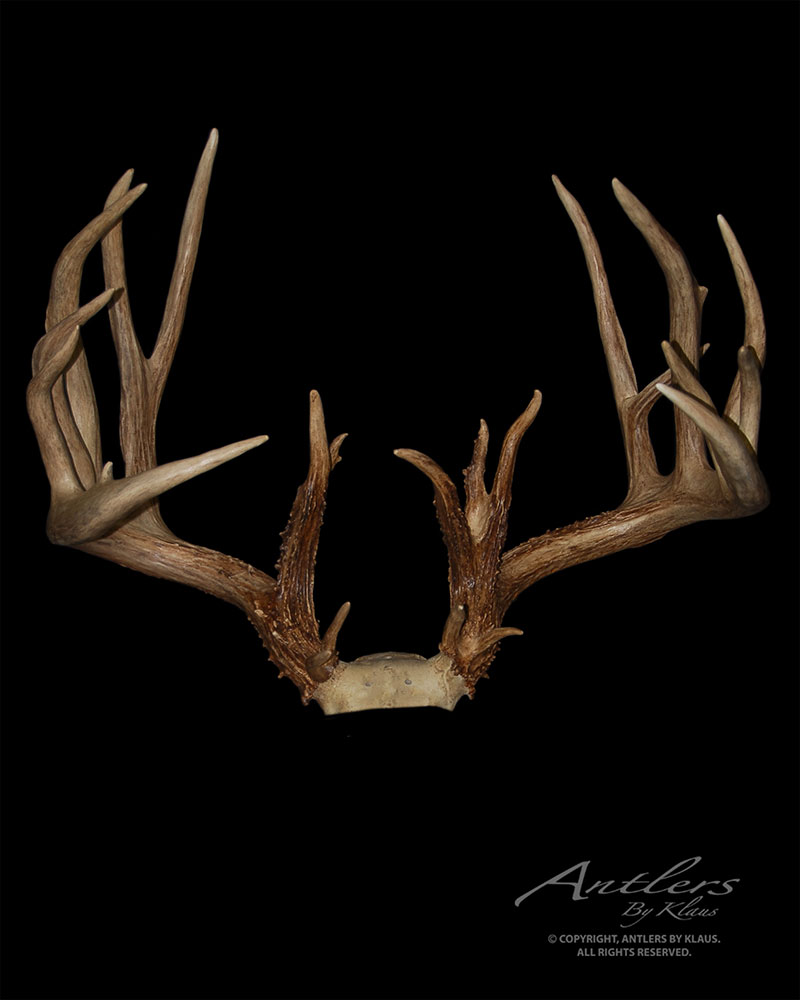
Antler repair focuses on structure. It rebuilds what is broken, missing, cracked, or weak.
Antler restoration focuses on appearance. It brings back natural color, tone, patina, and surface character when antlers are faded, chalky, weathered, or unevenly colored.
Many projects need both. Once the structure is repaired, the finished area must be blended so it matches the rest of the rack.
The process depends on the type of damage, but the goal is always the same: a strong repair that looks natural.
A typical repair may include:
Color matching is one of the most important parts of antler repair. Real antlers are not one flat color. Bases, beams, tips, rub marks, and worn surfaces all carry different tones.
Antlers by Klaus uses layered finishing to help the repaired area blend with the rest of the rack, so the damage does not draw attention. This same attention to natural color, surface character, and structural repair is why Antlers by Klaus is trusted by some of North America’s preeminent outdoor retailers, collectors, and museums when existing specimens need professional repair or restoration.
Yes. Broken or missing tines can often be rebuilt, shaped, textured, and color-matched to blend with the original rack.
Many cracked beams can be repaired or reinforced, depending on the location and severity of the damage. Send us detailed photos for review.
Yes. Antler restoration can often improve chalky, sun-faded, or unevenly colored antlers by rebuilding natural tone and surface character.
Many chew marks can be improved or repaired, especially when the damage is limited. Severe chewing may require more extensive restoration.
Send a full photo of the rack, close-ups of every damaged area, species, approximate score if known, and notes about how the damage happened.
Contact Antlers by Klaus with clear photos of the full rack and close-ups of the damage. We’ll let you know what may be possible and recommend the best repair, restoration, or replacement option.